
Current Board of Directors
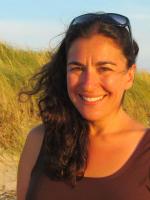
President (May 2023–May 2025) Daniela Shebitz is an ethnobotanist who is inspired by integrating traditional ecological knowledge into conservation of forests and the restoration of culturally-significant basketry and medicinal plants. Her work has focused on reintroducing anthropogenic burning and incorporating cultural knowledge into secondary forest management in New York, New Jersey, Washington State, and Costa Rica. She fell in love with ethnobotany when she was an undergraduate at SUNY ESF and went to her first Society of Ethnobiology Conference. She then pursued her MS at SUNY ESF, working to understand the population status, ecology and restoration potential of sweetgrass with the Haudenosaunee and then her Ph.D. at the University of Washington working to restore beargrass savannas with the Quinault and Skokomish Indian Nations. Throughout those years, the SoE has played a pivotal role in helping to define her profession and knowledge. She is now the Executive Director of the School of Environmental and Sustainability Sciences at Kean University in Union, NJ where she also teaches courses in Medicinal Botany, Conservation Biology, Sustainability Capstone, and oversees many student research projects. She is truly honored to be serving as the President of the SoE. In addition, she is on the boards of the New Jersey Higher Education Partnership for Sustainability and the Hanson Park Conservancy. Outside of work, She tries to balance her love of ice cream and lots of other yummy food with her passion for cycling and hiking. Contact: president@ethnobiology.org
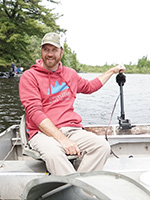
Vice President/President Elect (May 2023–May 2025) Steve Wolverton is a Professor in the Department of Geography and the Environment at the University of North Texas. His research focuses on historical ecology, zooarchaeology, and animal ecology in North and South America during the Holocene, emphasizing conservation, environmental justice, and heritage ethics. Steve has served as Treasurer and as editor of publications for the Society. Contact: vice-president@ethnobiology.org
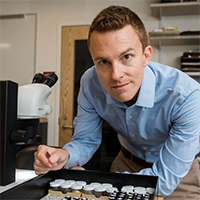 Treasurer (May 2023–May 2026) John M. Marston is Associate Professor of Anthropology and Director of the Archaeology Program at Boston University, where he heads the Environmental Archaeology Laboratory. A paleoethnobotanist, he studies the long-term sustainability of agriculture and land use with a focus on ancient societies of the Mediterranean and western and central Asia, including recent fieldwork in Turkey, Israel, and Uzbekistan, and pending fieldwork in Greece. His research has been recently supported by the National Science Foundation, National Geographic Society, and Australian-American Fulbright Commission, leading to numerous publications including the award-winning monograph Agricultural Sustainability and Environmental Change at Ancient Gordion and the article “Modeling Resilience and Sustainability in Ancient Agricultural Systems" in the Journal of Ethnobiology. A former co-editor of Ethnobiology Letters (2015–2020), he has been a member of the Society since 2007. His favorite grass is Stipa holosericea. Contact: treasurer@ethnobiology.org
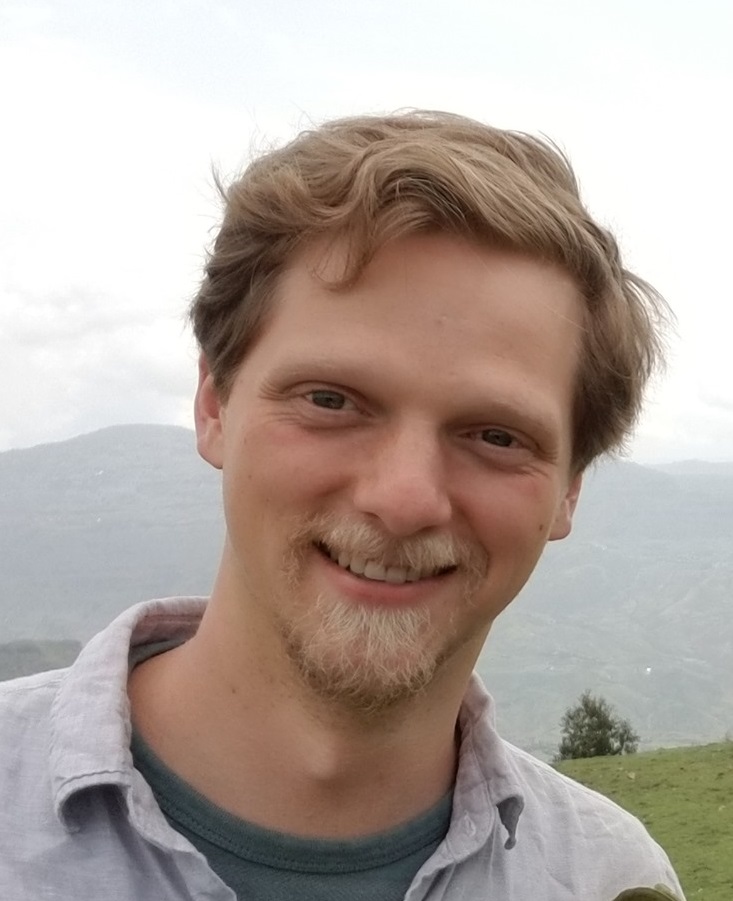 Secretary (May 2021–May 2024) Alex McAlvay is an Assistant Curator in the Institute of Economic Botany at the New York Botanical Garden and affiliate at Columbia University and City University of New York. He currently serves as Secretary for the Society of Ethnobiology. His research is focused on understanding the relationships between humans and their environments, the evolutionary and ecological impacts of humans on plants, and the traditional stewardship of plants by cultures and communities. His work ranges from genomic research to understand how humans have shaped plants through domestication to ethnobotanical projects to support the continuity and revitalization of cultural traditions related to plants. His current projects are focused on reviving resilient traditional cropping systems in Ethiopia and Republic of Georgia, studying the ecology of forest gardens in the Pacific Northwest of North America, documenting the flora and uses of plants of the Shinnecock Nation on Long Island, investigating the intersection of language and plants in Western Mexico, and reconstructing the evolutionary history of Brassica and wheat. Crops. Contact: secretary@ethnobiology.org
Board Members at Large
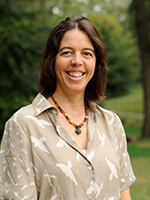 Publications Liaison (May 2023–May 2026) Professor Cynthia "Cissy" Fowler is Chair of the Department of Sociology and Anthropology at Wofford College. Fowler is a deeply devoted ethnobiologist and anthropologist who expresses her dedication to these disciplines through teaching undergraduates, performing service at her institution as well as in local and professional communities, editing academic publications, and research and writing. Fowler’s research interests are in the areas of biosocial dynamics and space-time cultures. Her current research lies at the intersections of anthropology, ecology and science and technology studies. She has conducted ethnographic fieldwork in Indonesia, Hawai‘i, Vietnam, the U.S. South, and Brazil. Fowler has published her research results in journal articles and books, including Biosocial Synchrony on Sumba: Multispecies Interactions and Environmental Variations in Indonesia (2016), Ignition Stories: Indigenous Fire Ecology in the Indo-Australian Monsoon Zone (2013), and Fire Otherwise: An Ethnobiology of Burning in a Changing World, co-edited with James R. Welch (2018). Fowler and Dr. Steven Wolverton are the co-editors of the Society of Ethnobiology’s monograph series, Contributions in Ethnobiology. Fowler is also the co-editor, alongside Dr. Elizabeth Olson and Dr. Janelle Baker, of the book series Global Change/Global Health published by the University of Arizona Press. Fowler has been an active member of the Society of Ethnobiology since 1999, serving as the President (2017–2019), and board member (2010–2017), co-founder and editor (2010–2015) of the open access journal Ethnobiology Letters, and the book review editor of the Journal of Ethnobiology. Contact: publications-liaison@ethnobiology.org
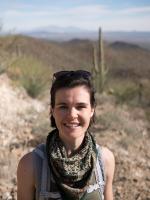 Promotion and Outreach Coordinator: Publicity and Community Engagement (May 2022–May 2025) Kali is an archaebotanist whose focus is microbotanical (phytolith) remains and their potential to reconstruct ancient diet, technology, and palaeoenvironments. Her research is currently focused on phytolith methodologies and she's loving her recent assemblages which showcase ecosystem management in ancient North America. Previously serving as a co-editor of the Forage! Blog and social media coordinator, Kali is now serving her second term as Publicity and Community Engagement Coordinator. She hopes that through accessible science education and transparent communication, we can continue sharing scientific literature, activist events, and the happenings of the Society in a light-hearted, enjoyable way. Feel free to email Kali with requests or ideas for Community Engagement at publicity@ethnobiology.org
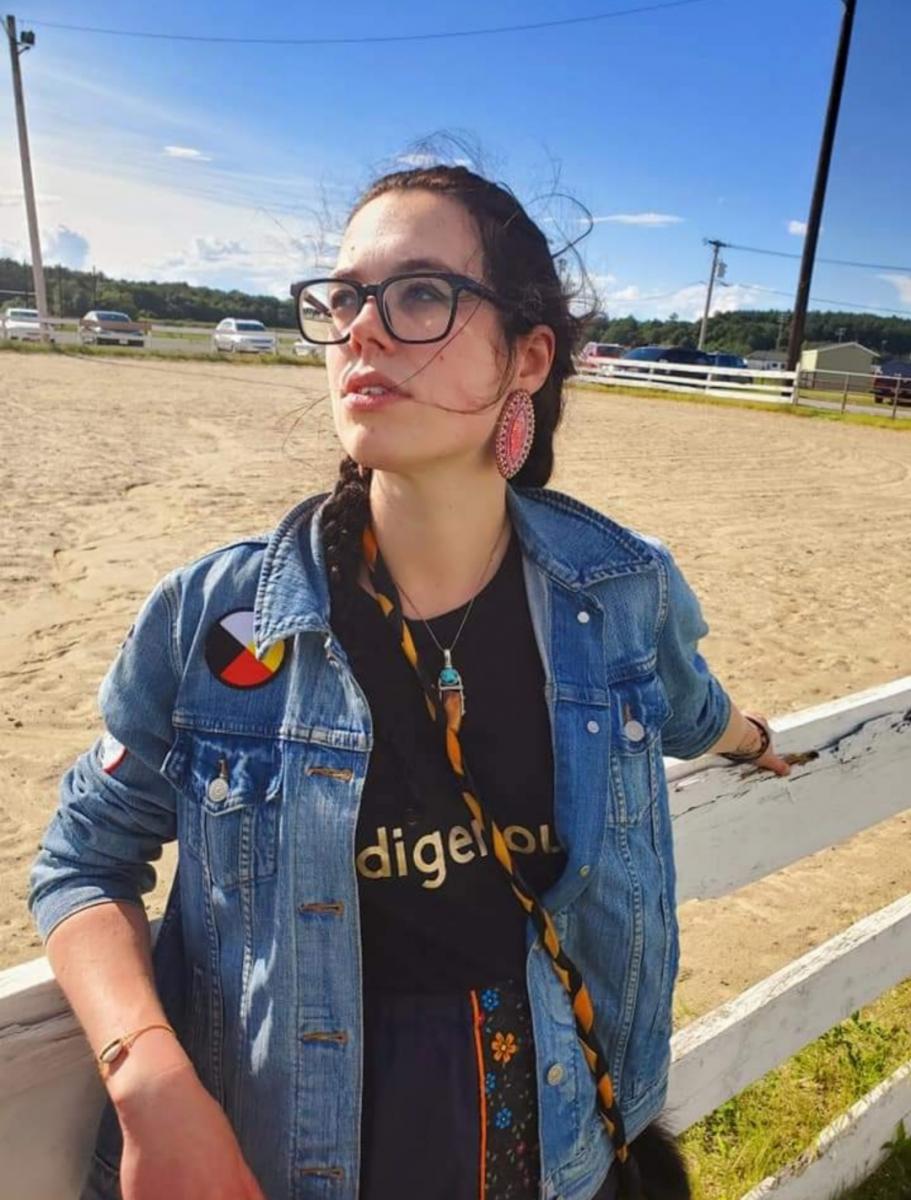 Promotion and Outreach Coordinator: Membership and Development (May 2021–2024) Zoë Eddy. Bio coming soon. Contact: membership@ethnobiology.org
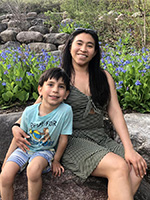 Promotion and Outreach Coordinator: Student Engagement (May 2022–May 2025) Florencia Pech-Cárdenas is an Maya woman from the Yucatan Peninsula Mexico. She is a PhD Candidate at the University of Minnesota in the Forest Resources Department. Her research focuses on understanding Maya farmers' and artisans' management of the dry tropical forest in order to fulfill their livelihoods while engaging in the tourism industry. She is interested in bringing, highlighting and centering Indigenous perspectives and voices into the forest management field and practice. Growing up Indigenous, poor and a woman, she strongly believes in using an intersectional lens to uncover several ways Indigenous peoples, and particularly Indigenous women, experience oppression in everyday life. Her doctoral dissertation uses the humanities, ecological and social methodologies to understand how Maya farmers-artisans manage their forest and natural resources while engaging in the tourism market via handicraft production. She has been involved in the Society of Ethnobiology since 2017 where she has felt very welcome and believes the strong commitment of the SoE towards Indigenous and diverse communities. She is also engaged in initiatives to bring women into STEAM fields, and to open spaces for women mothers in academic and University settings. She loves cooking Yucatecan food, and enjoys her free time outdoor hiking, traveling and being in close contact with plants and family. Florencia is also a mother, daughter, sister, wife, matriarch, botanist, and a Fulbright scholar. Contact: students@ethnobiology.org
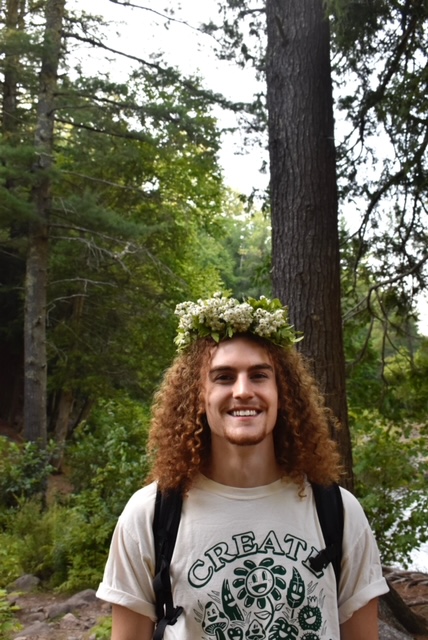 Web and Social Media Liaison (May 2023–May 2026) Ricky Rietjens is a senior at Northern Michigan University studying medicinal plant chemistry and indoor agriculture. His capstone research examines terpene synthesis of Cannabis sativa L. inflorescence in response to UVB addition and attenuation. Ricky’s love for plants, people, and culture can be seen through his interests outside of phytochemistry, which include ethnobotany, mycology, medical anthropology, pharmacognosy, phytoremediation, agricultural sciences, and sustainability. Ricky enjoys foraging for edible and medicinal plants and fungi native to Michigan's Upper Peninsula. Along with foraging for meals and herbal medicines, he spent his summer donating time at a local farm (Partridge Creek Farms) that provides free education and affordable produce to the Marquette County community in order to help combat food insecurity. Ricky plans to attend graduate school next year, and hopes to one day travel the world discovering and categorizing natural plant medicines, in addition to understanding their cultural use and medicinal efficacy. Contact: socialmedia@ethnobiology.org.
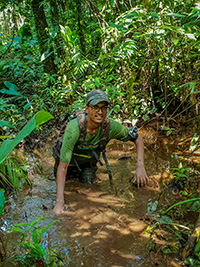 Undergraduate Ethnobiologist Award Winner (May 2023–May 2024) Saish Solankar is an ethnographer whose primary interests lie in Multispecies studies and ethnoherpetology. In his current research, he explores relatedness between Humans and Frogs through hunting. He is keenly interested in evolution, ecology, and culture, and these interests drive him to explore the natural and cultural wonders of the world. He is a published photojournalist and documentary filmmaker and uses film and photography to communicate science. He is also a licensed aviator and remote pilot, striving to use these technologies for spatial analysis in his work. Saish tries to use all his skills to further his mission to use innovative, decolonial methods and contemporary anthropological theory to explore the fascinating multispecies worlds on our planet and illuminate these realms through captivating storytelling. You can follow his work on solankarsaish.com.
Appointed Board Positions
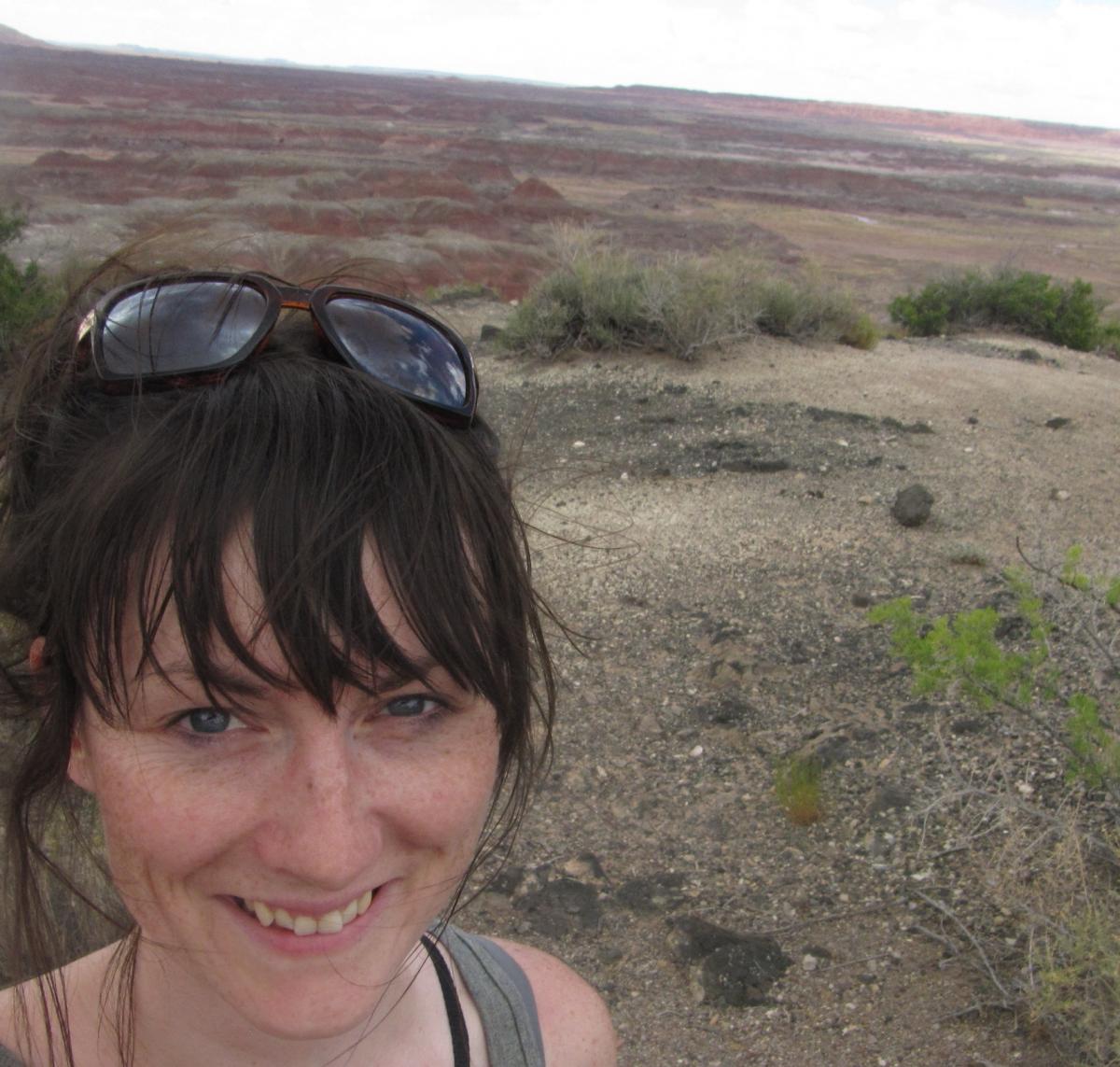 Conference Co-coordinator Ashley Blazina is an ecologist who examines how different cultures interact with and manage the ecosystems they live in. She is particularly interested in how these differences affect restoration and land management decisions, both on a regional and global scale. Ashley received her M.Sc. in Environmental and Forest Sciences with a concentration in ethnoecology at the University of Washington. Ashley previously taught in the University of Washington's Environmental Studies department, but currently works in the public sector, examining human behavior and community fire adaptation, specifically through a lens of forest health. Contact: conference@ethnobiology.org
 Conference Co-coordinator Annalee Sekulić. Bio coming soon. Contact: conference@ethnobiology.org
Awards Coordinator Michelle Baumflek. Bio coming soon. Contact: awards@ethnobiology.org
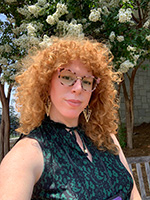 Graduate Fellowships Coordinator Samantha Bosco has been attending SoE meetings since 2017 and first joined the Board of Directors in 2019 as the Student Engagement Coordinator until 2021. After a brief hiatus to finish her dissertation, Dr. Bosco now returns to the SoE Board as the Graduate Fellowship Awards Coordinator. Dr. Bosco is an Oak Ridge Institute of Science and Education postdoctoral fellow with the National Agroforestry Center (NAC). She received her PhD from Cornell University in 2022. Her transdisciplinary and community-based dissertation examined the past, present, and future role of temperate nut trees in both Haudenosaunee and non-native communities in NY. She was a 2021 Botany in Action Fellow with the Phipps Conservatory and was awarded a Social Justice award by the Cornell Graduate and Professional School and has since helped organize and deliver TLGB+ justice, equity, and inclusion conversations across agriculture and ethnobiology communities. Before joining NAC, Bosco served as the Agroforestry and Nut Cropping Program Planner for Cornell Cooperative Extension providing technical assistance and agroforestry education across NY. In her free time, Samantha enjoys outdoor adventures, writing songs about queer power, and performing on stage. Contact: fellowships@ethnobiology.org
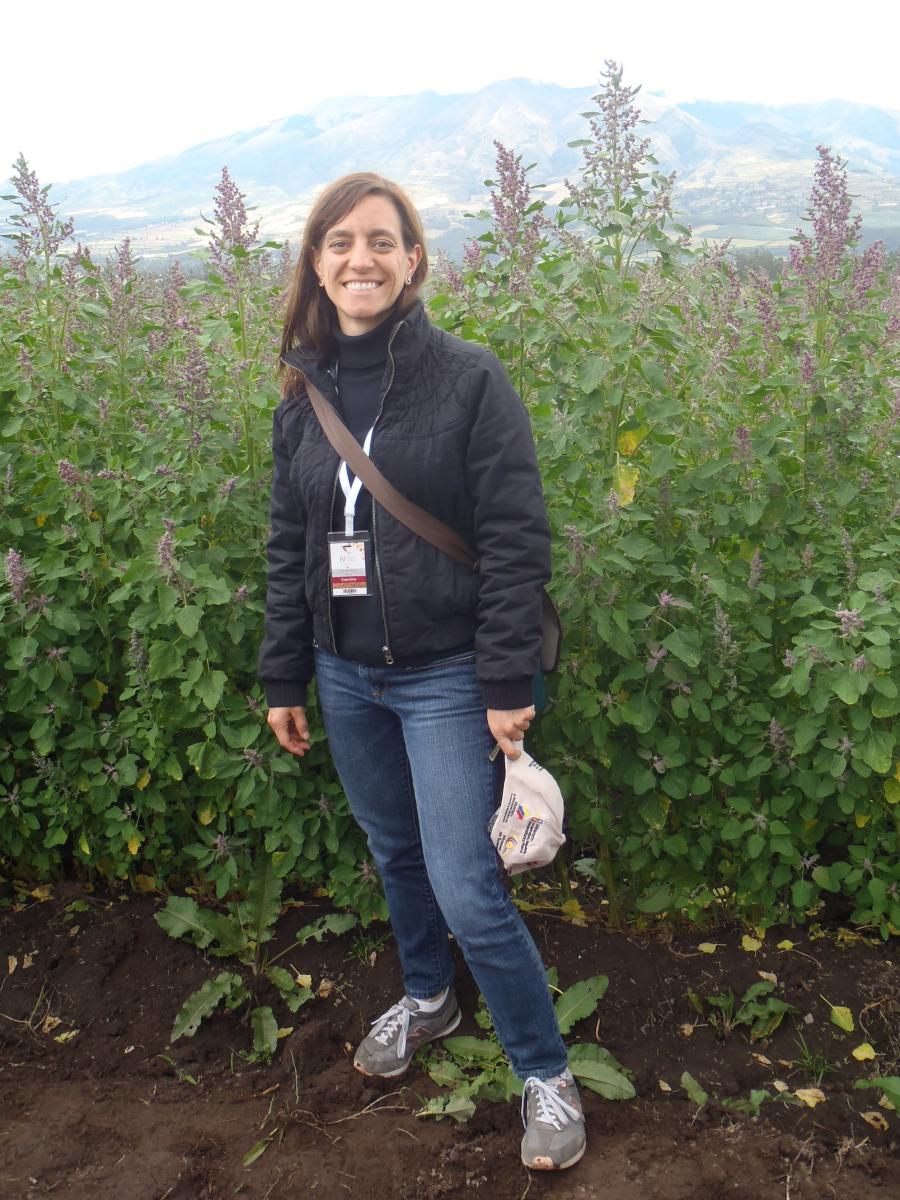 Co-Editor, Ethnobiology Letters Maria Bruno studies human-plant interactions in the context of agriculture in South America. She integrates ethnobotanical and archaeobotanical methods to study the long-term history of indigenous farming systems in the Lake Titicaca Basin and Llanos de Moxos of Bolivia. She is particularly fond of the "superfood" quinoa, its history of domestication and continued use in food and farming systems of the Andes and beyond. She is currently Associate Professor of Anthropology & Archaeology at Dickinson College and serves as a co-editor of Ethnobiology Letters.
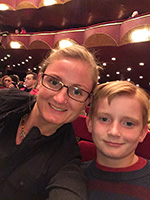 International Ambassador Dr. Liz Olson is an anthropologist by training and practice, and has spent more than two decades working with people and communities from many cultures to gain a genuine and deep understanding of what it means to be human. She earned her PhD from Case Western Reserve University with a focus on Medical Anthropology & Global Health. As a retired professor of anthropology (SUU, 2022) she is currently working as a consultant and researcher in user experience and human-centered design to help clients improve the ways that people use their products. Liz has been part of the Society for over a decade, and during that time has served in various roles on the Board of Directors. During her tenure as President, she worked to build greater inclusivity for the Society and ethnobiology, at large. Contact: international@ethnobiology.org
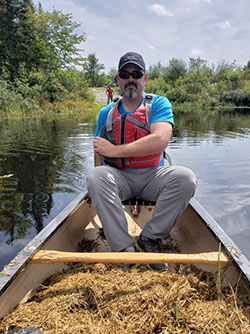 Indigenous Ambassador Scott M. Herron has been a professor of Biology at Ferris State University since 2002. He was also a visiting professor of Ethnobotany at the University of Michigan Biological Station, teaching an advanced ethnobotany field course from 2003–2015. Currently Scott is a Visiting Research Professor at the Matthaei Botanical Gardens and Nichols Arboretum at the University of Michigan where he mentors graduate students and collaborates in complex heritage food-based projects including wild rice and maize. Scott studied ecology, ethnobotany, cultural anthropology, paleoethnobotany, American Indian studies, and linguistics during his undergraduate and graduate careers. He continues his applied research as a specialist in the Great Lakes region, with focus on the Anishinaabek culture (Ojibwe, Ottawa, Potawatomi, Cree and Menominee). He directs the Wild Rice and Ethnobiology Lab at Ferris, is the faculty advisor for the FSU Mycology Club, Botany Club, and the Circle of Tribal Nations (inactive). Scott served as President of the Society of Ethnobiology, where for 4 years he oversaw 3 journals, an annual conference, 3 graduate fellowships, 1 undergraduate scholarship, and other awards. Scott has consulted with the US Forest Service and Cedar Tree Institute of Marquette on 7 years of workshops centered on native plants and native pollinators taking place in tribal communities across Michigan’s Upper Peninsula. Scott just concluded a 2-year NSF Grant titled “Build and Broaden Indigenous Agriculture and Food Sovereignty Symposium” with 3 other co-PIs from Michigan and Wisconsin hosting in-person on May 20–22, 2022 (Marquette/L’Anse) and virtually September 19-21, 2021. In Spring 2023 Scott created Herron Environmental Services LLC, a consulting firm that will provide botanical, mycological, and other environmental services to clients across Michigan.
Scott lives in Big Rapids, Michigan with his family including Aden and Lucy Herron, whom he has integrated into the seasonal subsistence life activities that he has studied, and now practiced for most of his adult life. Scott actively makes maple sugar, harvests wild mushrooms, many berries, nuts, is a seasoned wild rice harvester/processor/instructor, and is active in fishing, biking, kayaking, canoeing, cross country skiing, hiking, bird watching and cleaning up the local natural areas of his community. He tends organic polyculture gardens, 2 cats and a dog (Oakey Sage), an extensive ethnobotanical home garden, and cooks both wild and domestic foods in creative ways. Contact: indigenous@ethnobiology.org